Stations
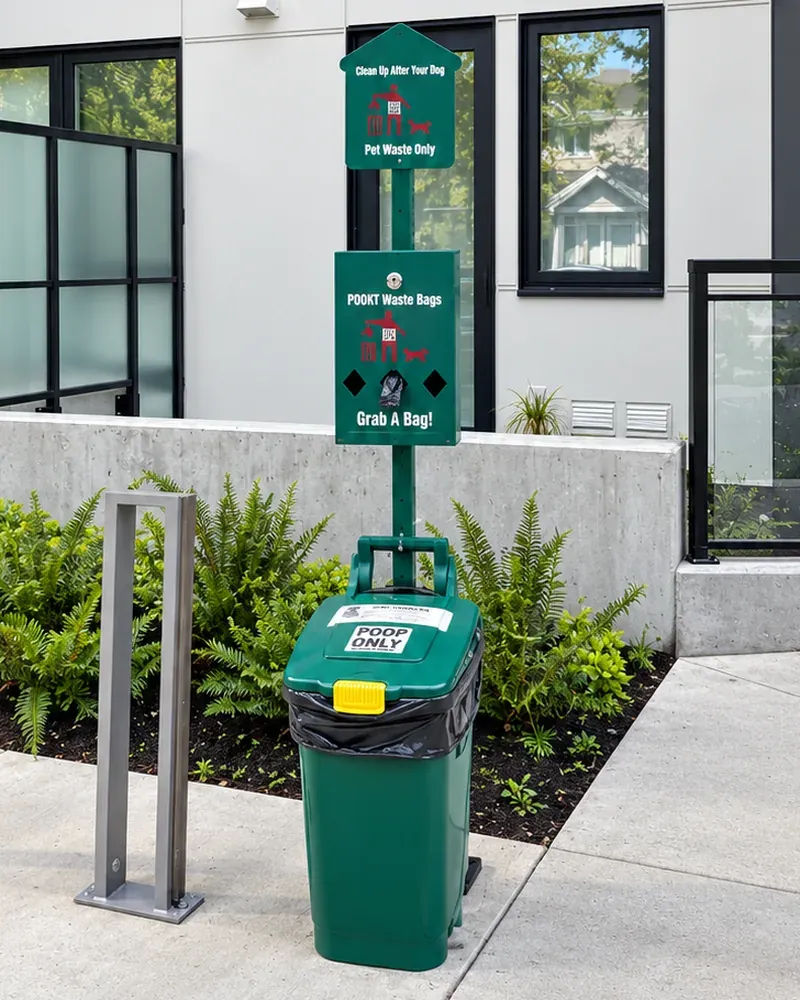
A sign, a bag dispenser and a bin on one post, so the whole prompt to clean up sits in one place. Suited to a park entrance, a trail head or a shared courtyard.
The stations, bins, carts, containers and supplies Pookt offers today, followed by what is in development. Specifications, compatibility, stock and commercial terms are confirmed in a product or service proposal—not assumed from a category image.
The equipment that makes a site usable: somewhere to take a bag, somewhere to put it, and a container a route can empty. Ask about colour when you enquire.
A sign, a bag dispenser and a bin on one post, so the whole prompt to clean up sits in one place. Suited to a park entrance, a trail head or a shared courtyard.
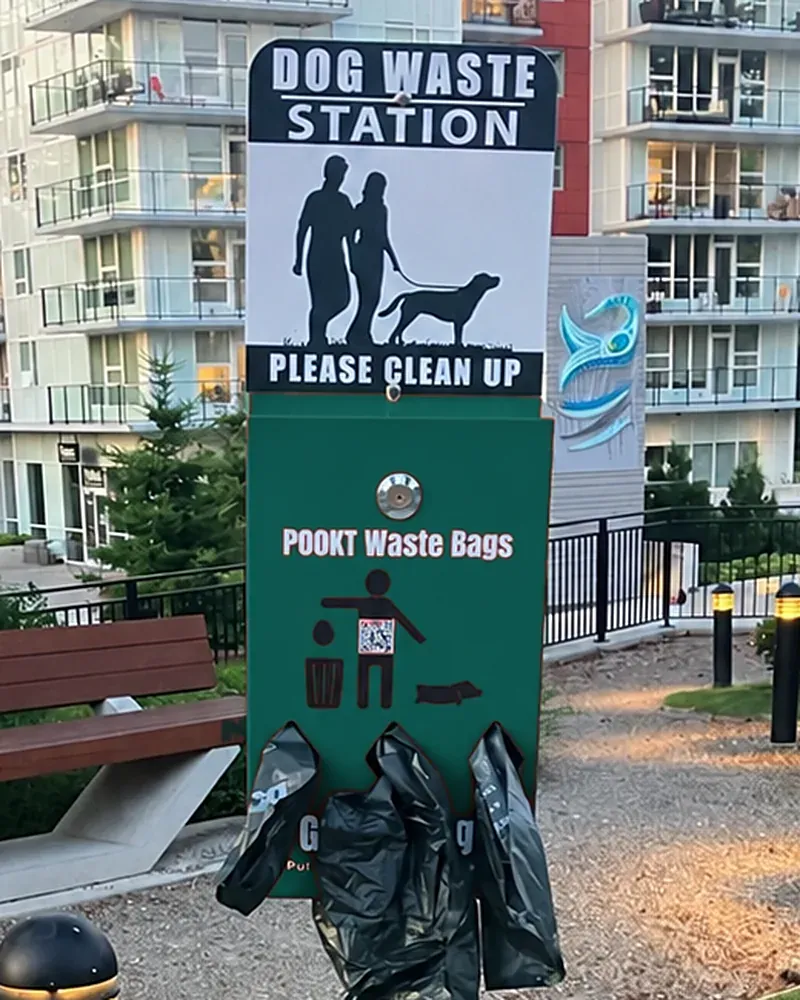
Keep bags where people need them. A dispenser can share a station post or mount on its own near a gate, a path or a lobby door.
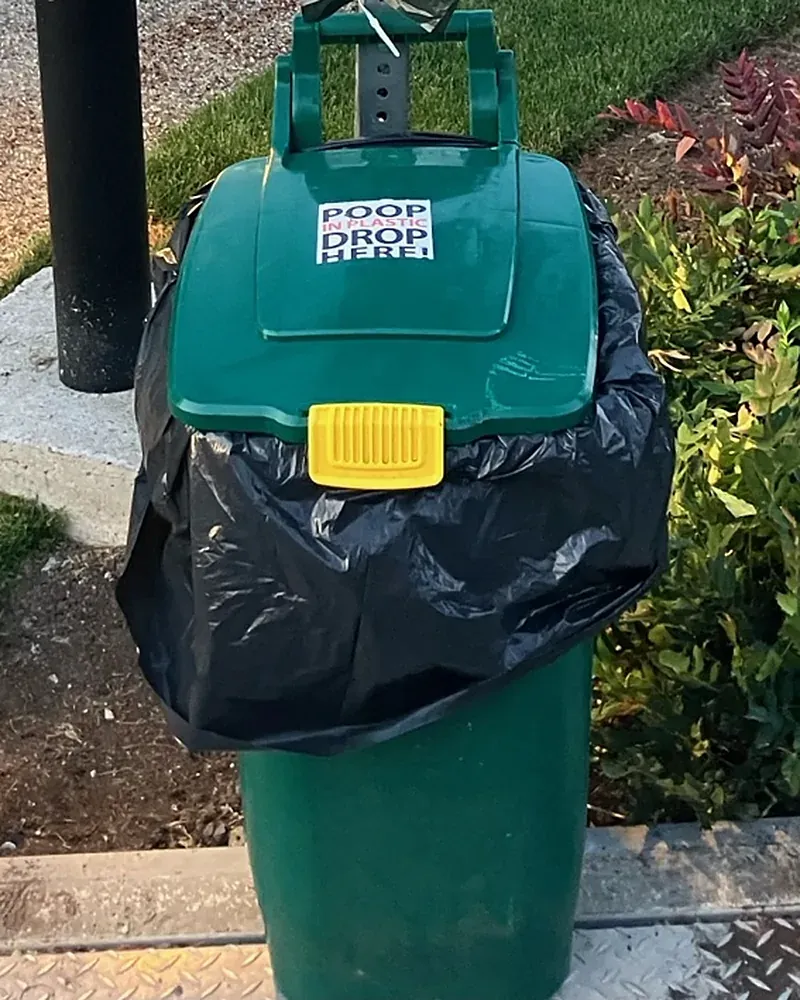
The lidded container the waste goes into. A latched lid keeps the liner in place and the contents out of the weather between collections.
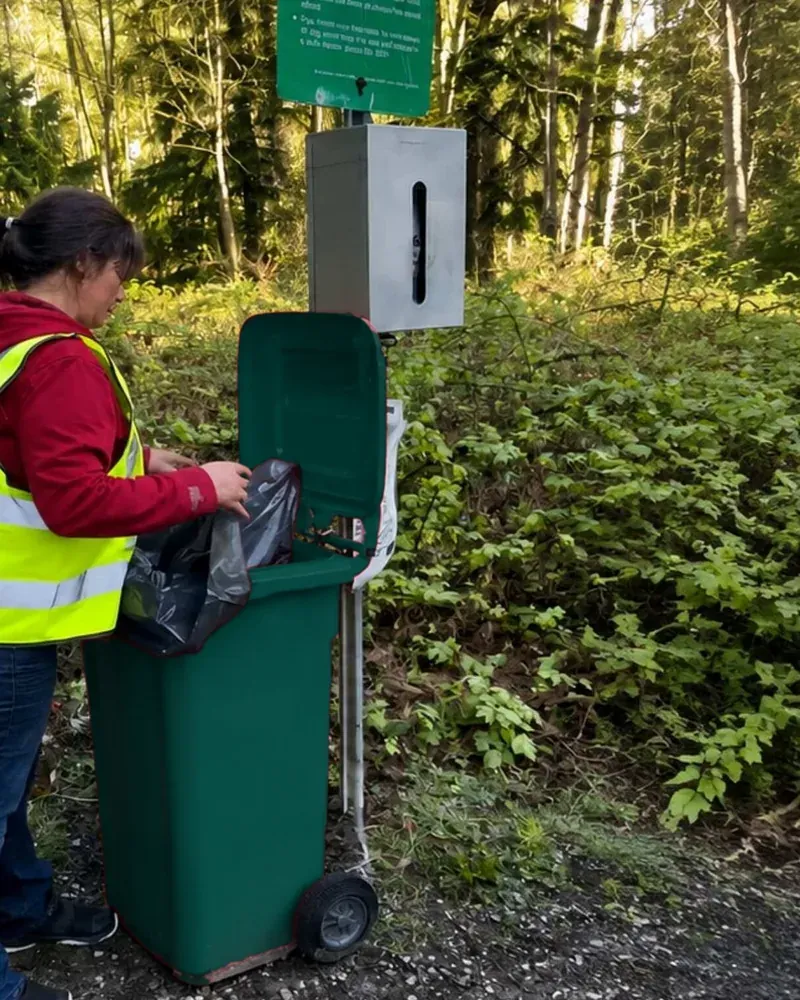
The larger wheeled container for busier park and trail locations, emptied on the route rather than carried. Shown here during a service visit.
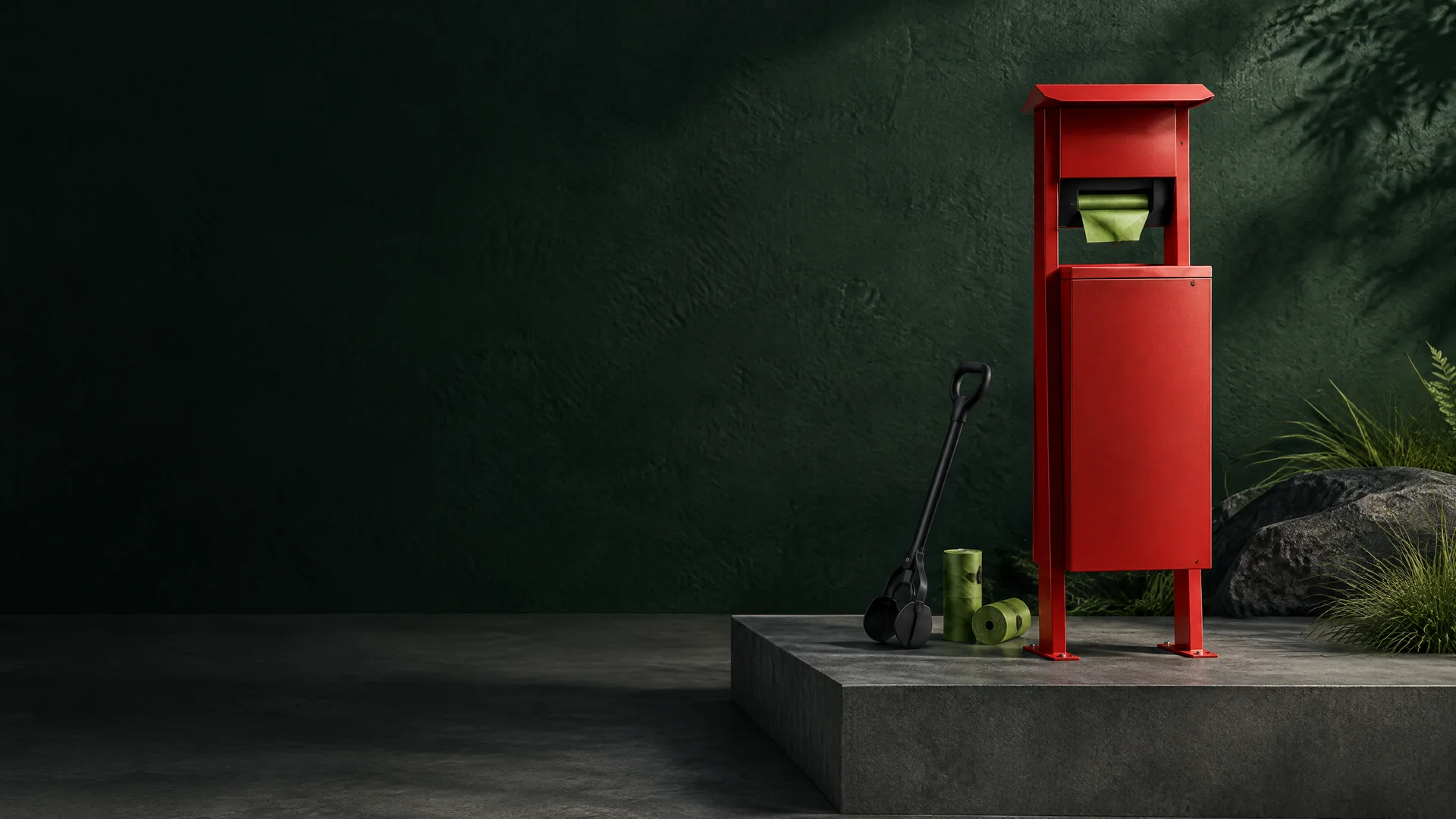
About the colours. The red images are photographs of installed equipment. The green images are the same photographs shown in green, so you can picture the alternative—they are colour renderings, not photographs of an installed green unit. Available colours, finishes and any signage are confirmed in your proposal.
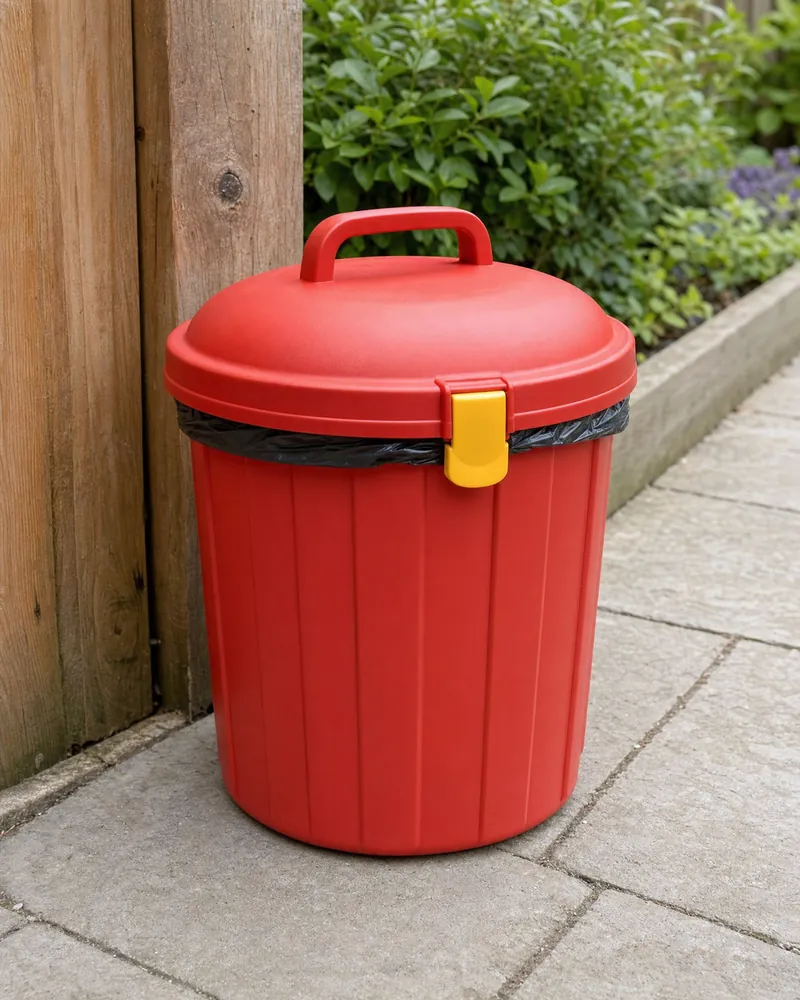
A smaller, lidded container for a single home, a yard or a townhouse patio, for households on a home collection service. Compact enough to sit beside a gate and be carried to the kerb.
Illustration of the category, not a specific product model.
Confirm before selectionCapacity, lid and latch design, liner fit, and where it will be presented for collection.
The items a site gets through. Order them with your equipment, or on their own if Pookt already services the station. Fit matters more than size here: a bag that does not suit the dispenser will jam it.
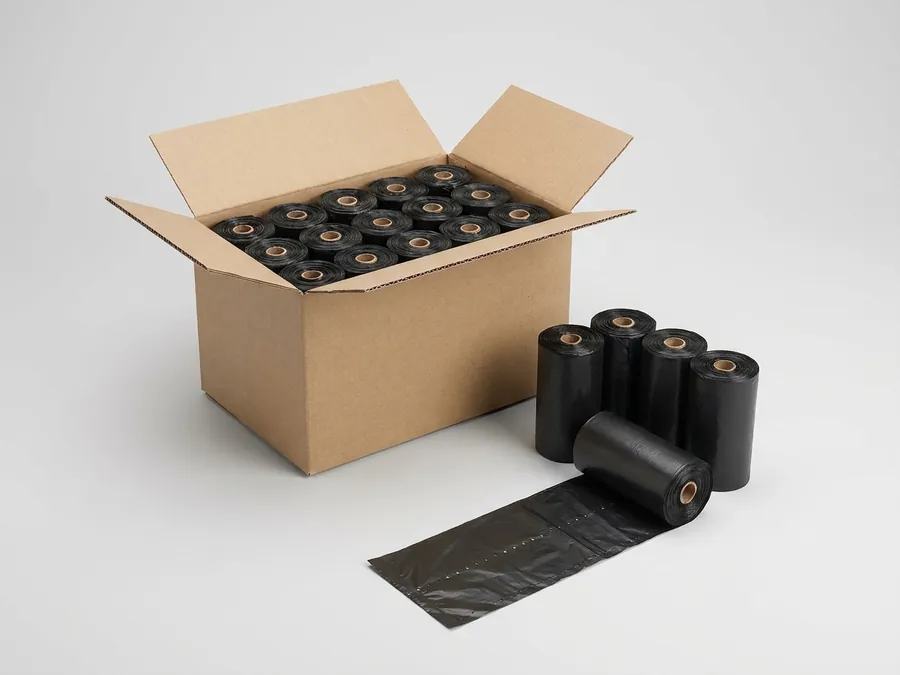
The rolls that keep a dispenser stocked. Match the roll format and core to the dispenser already installed, not to a general bag size.
Illustration of the category, not a specific product model.
Confirm before selectionRoll format, core size, bags per roll, pack quantity and dispenser fit.
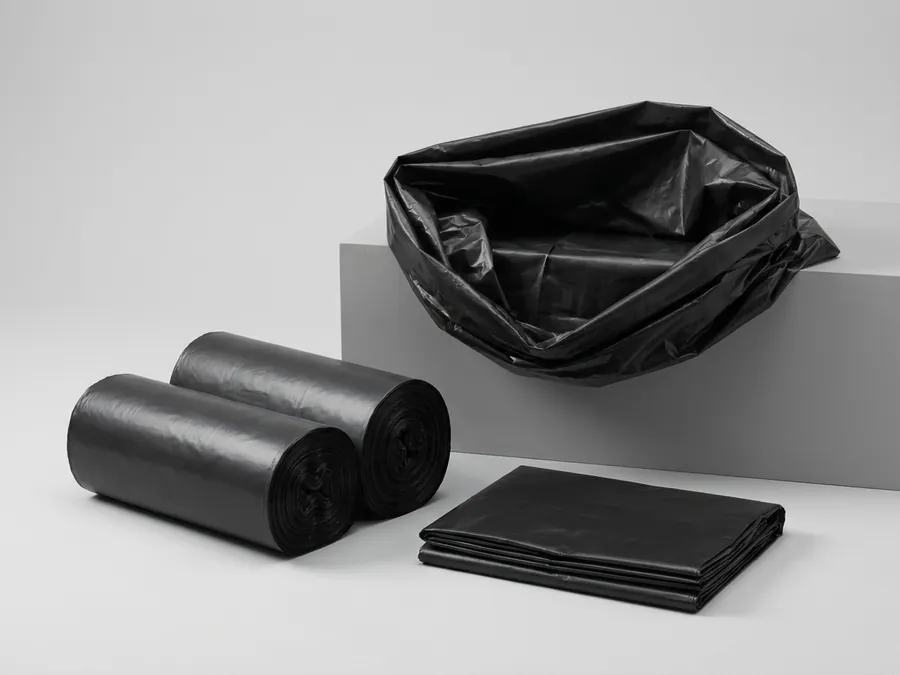
The liner the bin or cart is fitted with. Size and thickness follow the container and how the liner is lifted on a route, not a shelf size.
Illustration of the category, not a specific product model.
Confirm before selectionDimensions, thickness, material, pack quantity and container fit.

What a station needs between collections to stay usable: washing down a lid, a post or a surround, and the protective items that go with it.
Illustration of the category, not a specific product model.
Confirm before selectionProduct suitability for the surface, dilution, local disposal rules for the rinse, and any handling requirements.
Terms such as compostable or biodegradable do not, by themselves, determine whether a bag is accepted where the waste is received. Tell us the receiving arrangement you must meet and we will confirm what suits it, including any certification the receiver requires.
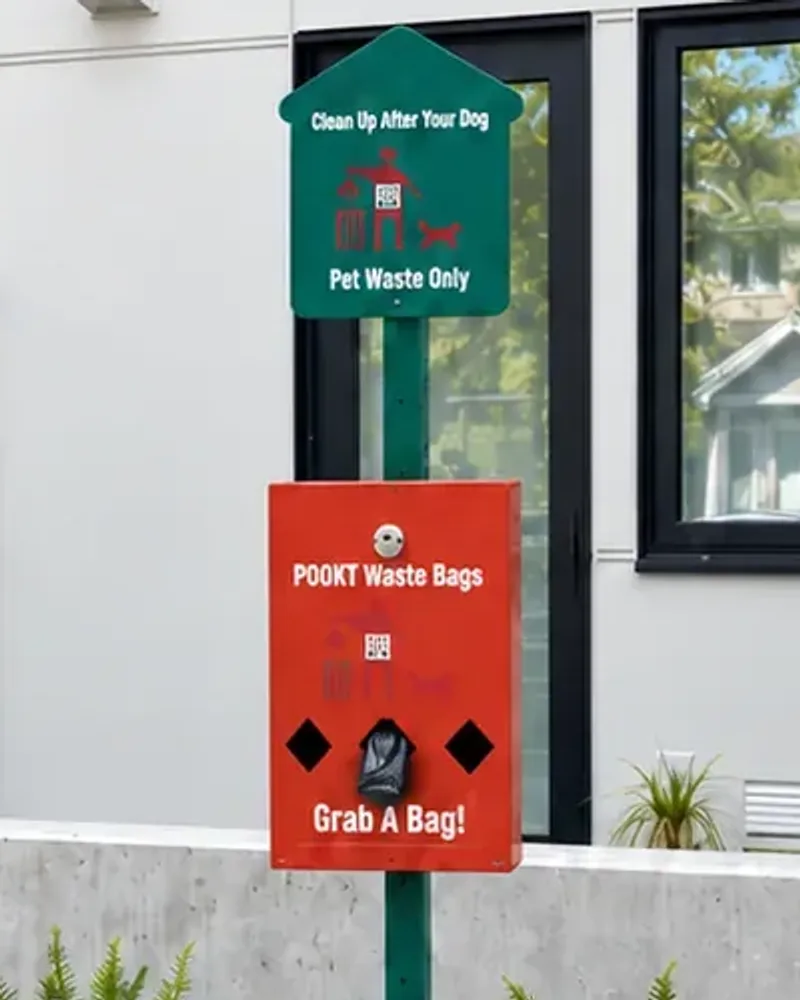
Plan installation and upkeep together. Mounting, fixings and replacement parts must suit the selected station and the conditions at the site.
Photograph of installed equipment.
Confirm before selectionSurface, clearances, permissions, compatible parts and installation responsibility.
Tell us what you need the equipment to do, where it will be installed and whether it must work with existing stations or dispensers. Photographs and manufacturer details can help, but do not send sensitive access information through a general enquiry.
If any of these is missing from a quotation you receive, ask for it before you order.
Alongside the current range, Pookt is developing new devices, a processing step and recovered-material concepts. Each is described on the New Innovations page with what it does and how far it has progressed.
None of these is available to buy. Series identifiers describe projects; they do not establish granted patents, completed testing or products on sale.
A hand-carried pickup device that collects onto a tissue liner rather than into a plastic bag. Configuration, user performance and manufacturing arrangements require validation before any public launch.
The processing step between collection and a finished material, which does not yet exist. The program compares owned-system, partner and toll-processing routes.
A household-scale unit, also in development. Its configuration, use and servicing are still being defined, so nothing further is described yet.
Possible recovered-material products, considered as distinct product cases. Input quality, intended use, testing and manufacturing requirements come before any availability or performance claim.
Explore a station-service proposal that identifies who supplies, installs, empties, replenishes and maintains each item.